
The cause of dry eye is not always obvious, especially when several factors are involved. Dry eye treatment can identify what is disrupting your tear film and guide the right approach to relief.
Dry, burning, watery, or blurry eyes can occur when the tear film is unstable, but the underlying reason for that instability can vary from person to person. Understanding what is behind those symptoms is the next step toward more comfortable vision.
What causes dry eyes?
Your tears contain water, oil, and mucus. When any layer is missing or out of balance, tears may not stay on the eye long enough to provide lasting comfort.
Meibomian gland dysfunction
Meibomian glands along the eyelids produce the oil layer of your tears. If these glands become blocked or do not produce enough oil, tears can evaporate too quickly. This is a common cause of dry eye and may require more than lubricating drops alone.
Screen time and incomplete blinking
Looking at a computer, phone, or tablet often reduces how frequently and completely you blink. Fewer complete blinks can limit how evenly tears spread across the eyes and affect oil flow from the eyelid glands.
Environmental exposure
Wind, smoke, air conditioning, and dry indoor air can all speed up tear evaporation. Symptoms may become more noticeable during long car rides, outdoor activities, or time spent in climate-controlled spaces.
Contact lens wear
Contact lenses can make dryness more noticeable for some people, particularly after a full day of wear. If contact lenses become uncomfortable more often than they used to, dry eye may be contributing.
Aging and hormonal changes
Tear production can naturally decline with age. Hormonal changes during pregnancy, perimenopause, and menopause may also affect the quality and quantity of tears.
Medications and health conditions
Some medications, including antihistamines, antidepressants, and certain blood pressure medications, can contribute to dry eye. Autoimmune conditions and other health concerns may affect tear production as well.
Previous eye procedures
Dryness can occur during recovery from LASIK or other eye procedures. If symptoms persist or affect your daily comfort, an eye doctor can determine whether treatment is needed.
How is dry eye diagnosed?
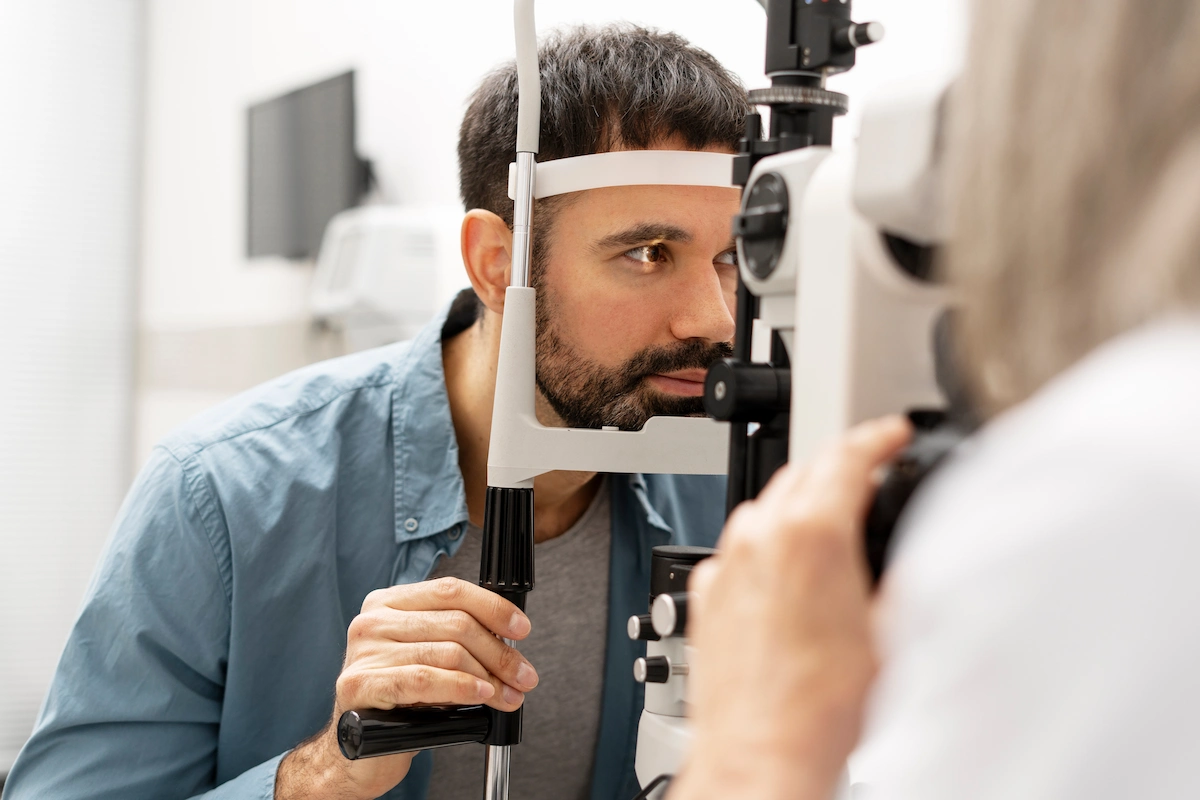
A dry eye evaluation begins with questions about your symptoms, daily routine, health history, medications, contact lens use, and environment. Your eye doctor may also measure tear production and tear quality, examine the eye’s surface, and evaluate your eyelids and meibomian glands.
These results help identify whether dry eye is related to low tear production, rapid evaporation, blocked oil glands, eyelid function, or a combination of causes.
Find care that targets the cause
The best dry eye treatment depends on what is affecting your eyes. Warm compresses, eyelid cleansers, lubricating drops, prescription drops, or specialty lenses may be helpful depending on your diagnosis.
For dry eye related to meibomian gland dysfunction, OptiLight IPL treatment may help reduce inflammation and support healthier oil gland function. OptiLIFT may be recommended when eyelid function and incomplete blinking contribute to dryness.
A comprehensive evaluation can uncover the cause of persistent dry eye symptoms and help you move toward more comfortable, clearer vision. Schedule an appointment to get started.